Clean energy comes at a human cost
Much of the conversation around climate change and clean energy is framed as a technological challenge. Build more EVs. Install more renewables. Scale faster.
But beneath the surface lies a harder truth, one that demands trade-offs, honesty, and compromise. It is a truth that much of the public conversation is avoiding.
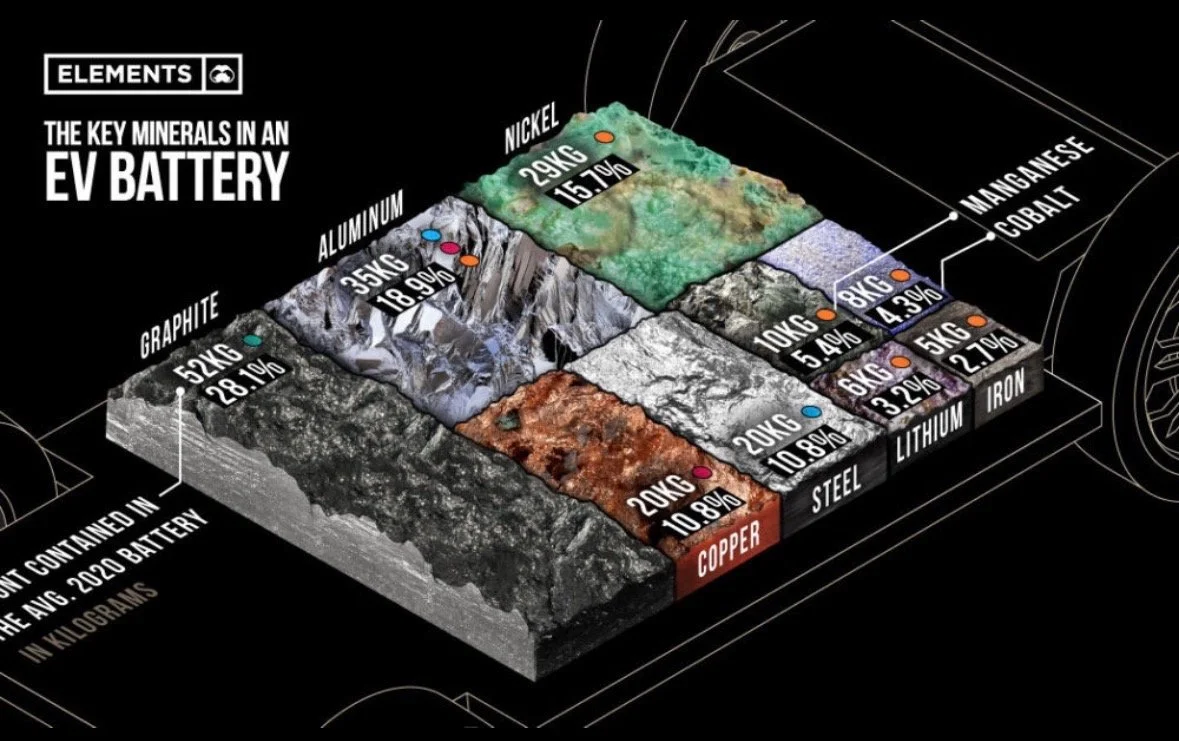
The green transition is not without cost. It is built from minerals. Lithium. Cobalt. Nickel. Copper. Rare earths. Every electric vehicle contains kilos of them. Every battery represents mining, refining, transport, and processing somewhere in the world.
In April 2022, the CEO of electric vehicle manufacturer Rivian stated in the Wall Street Journal that as much as 90 percent of the EV battery supply chain does not yet exist, including the mines required to support it.
Just one typical EV, say for example a Tesla Model 3, will contain 6 kg of lithium, 8kg of cobalt, 42 kg of nickel, 8 kilos of aluminium, 17 kg of copper and 55 kilos of graphite.
These realities matter because they expose what few are willing to say plainly.
The materials required for a green future must come from somewhere. And securing them at scale has real environmental and human costs in the present.
Western nations are electrifying their economies rapidly while simultaneously blocking or delaying domestic mining and refining. Permits stall. Projects are halted. Timelines stretch into decades. The United States holds roughly 24 percent of the world’s lithium reserves, yet even by 2030 is expected to produce only around 3 percent of global supply.
The minerals it requires will therefore be extracted thousands of miles away, often in less well regulated regions, and transported using vast quantities of fossil fuel.
The result is not less environmental damage. It is displaced damage.
Mining does not disappear. It moves.
And when it moves, the consequences fall most heavily on those with the least power to resist. Countries with weaker labour protections. Looser environmental enforcement. Limited political leverage.
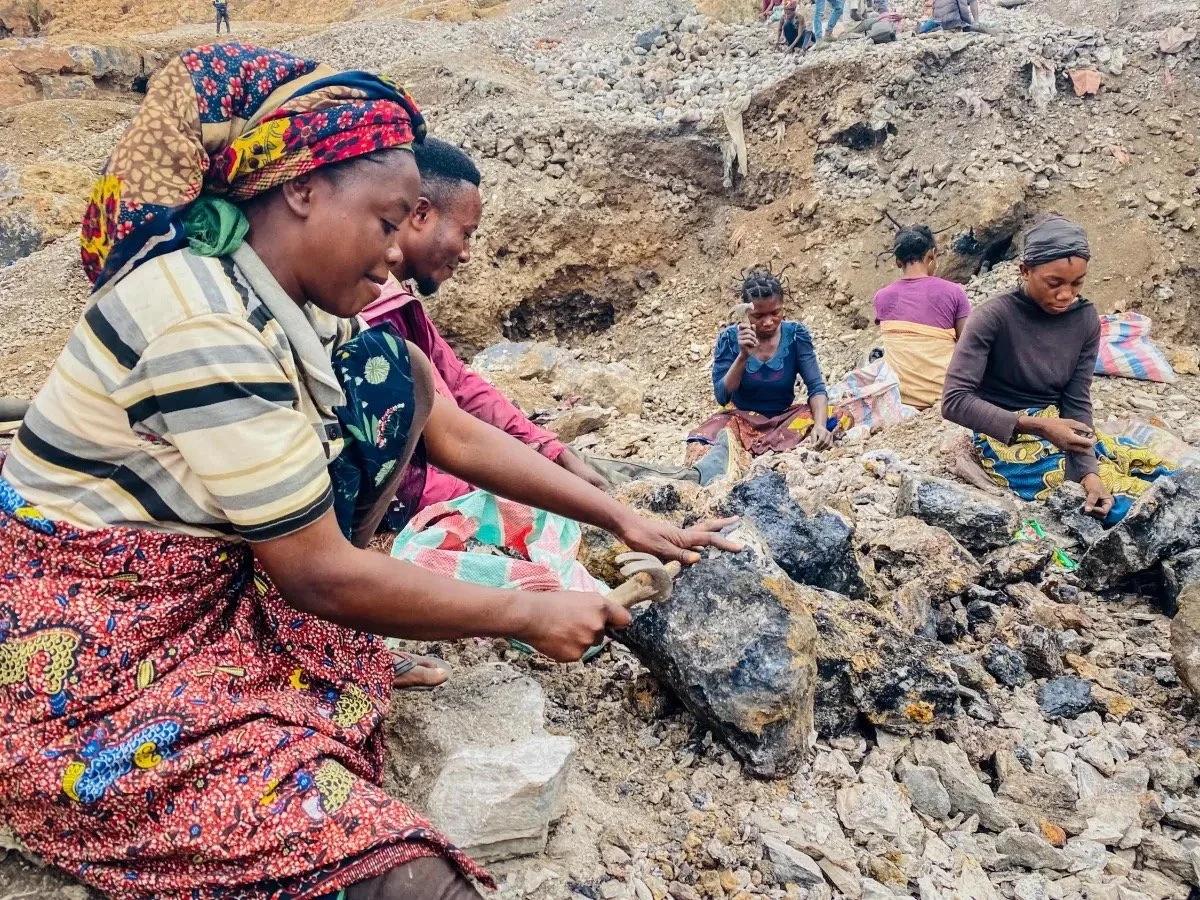
In the Democratic Republic of the Congo, this displacement has meant tens of thousands of children working in dangerous artisanal cobalt mines. Cobalt that ultimately powers electric vehicles, smartphones, and batteries across the developed world.
In recent months, FJP has been in close conversation with the team at Evidencity. Their privately funded 2025 research indicates that as many as 200,000 Congolese children may be working as artisanal miners today.
This is not a failure of technology.
It is a failure of moral consistency.
We appear far more committed to protecting our environment than to protecting the people and places that absorb the cost of maintaining it.
China recognised early that minerals are strategic. It permitted, financed, and scaled extraction, refining, and processing while others hesitated. Today it sits at the centre of supply chains that underpin the clean energy transition.
Meanwhile, Western nations import far more critical minerals than they produce, despite sitting on substantial reserves of their own. We are attempting to run a green transition without accepting responsibility for the materials that make it possible.
That position may persist for a time. But it carries costs that are strategic, economic and ethical.
At the Freedom and Justice Partnership, we work at the uncomfortable intersection of these realities.
We support children who have been harmed by this system.
We engage policymakers on supply chain accountability.
We challenge the idea that moral responsibility can be outsourced.
Clean energy should not be built on the outsourcing of suffering.
If we want an ethical transition, we must face the full truth of what it requires and take responsibility for the human cost embedded in our global supply chains.
To learn more about our work, or to support it, please visit our website.
If you are based outside the UK and would like to support our work and still benefit from tax deductions, please visit our page on Trustbridge Global, our trusted international giving partner.
UK givers with a Stewardship account can support us here.
Thank you for standing with us as we continue this work.