
When “No Steps Taken” Is Still Legal
There is a sentence buried in British law that ought to trouble us more than it does. Under section 54 of the Modern Slavery Act, large companies must publish a statement describing the steps they have taken to keep slavery and trafficking out of their businesses and supply chains. It sounds serious, and the intention behind it was. The difficulty lies in what counts as compliance. A company satisfies the law by stating that it has taken no steps at all. “No steps taken” is written plainly, accepted, and filed away, while somewhere beneath the clean surface of our comfortable lives a child climbs into a tunnel.
I don’t think the Act was badly meant. When it arrived in 2015 it was rightly welcomed, because it admitted something we would rather forget: that slavery never went away. It changed its clothes and moved into the places we don’t look, into fields and fishing boats and building sites, into domestic servitude and the long supply chains that feed our shops. The Act dragged that reality into public view, and bringing a wrong into the light is worth something. Yet it is only a beginning. A published statement is a long way from a child in school, and naming a problem has never been the same as ending it.
History is honest about this, if we let it be. When Britain abolished the slave trade across the Empire in 1807 it was a genuine landmark, and yet slavery itself outlived the moment by decades and demanded further struggle, further legislation, and a great deal more conscience. Injustice rarely surrenders. It adapts. It retreats from the public square and settles quietly into the parts of the economy we never see. Today the cobalt that powers our phones, our laptops and the batteries we are told will save the planet comes largely from the Democratic Republic of Congo, and the language we wrap around it, all transition and innovation and progress, does a quiet violence by leaving out the people standing at the start of the chain.
The Freedom and Justice Partnership did not begin in a committee room. It began in the dust and heat of Kolwezi, where our founders walked through the artisanal mining areas and saw children doing work that no child should ever do: carrying, sorting and digging, breathing in toxins, living within reach of tunnels that collapse. It is perfectly possible to discuss all of this in language so careful that the child disappears altogether. We can talk about due diligence and ESG reporting, about refining capacity and legislative thresholds, and every one of those things matters. None of them should be allowed to stand in front of the child, because the child is the whole point. The law asks whether a statement has been published. The better question is whether a child is safe.
What makes “no steps taken” so revealing is that almost nobody actually wants the thing it permits. No one wants their phone wired to a child in a cobalt pit. No parent wishes the same impossible choice on another parent. Few business leaders want forced labour hidden in their accounts, and no honest policymaker set out to build a law that rewards transparency while changing nothing. This is the hidden danger of our age, that everyone agrees something is wrong and the system carries on much as before.
The hardest battles for justice are not always fought against open cruelty. More often they are fought against acceptable insufficiency, against arrangements that say the right words, meet the minimum, and leave children in the dust.
From disclosure to responsibility
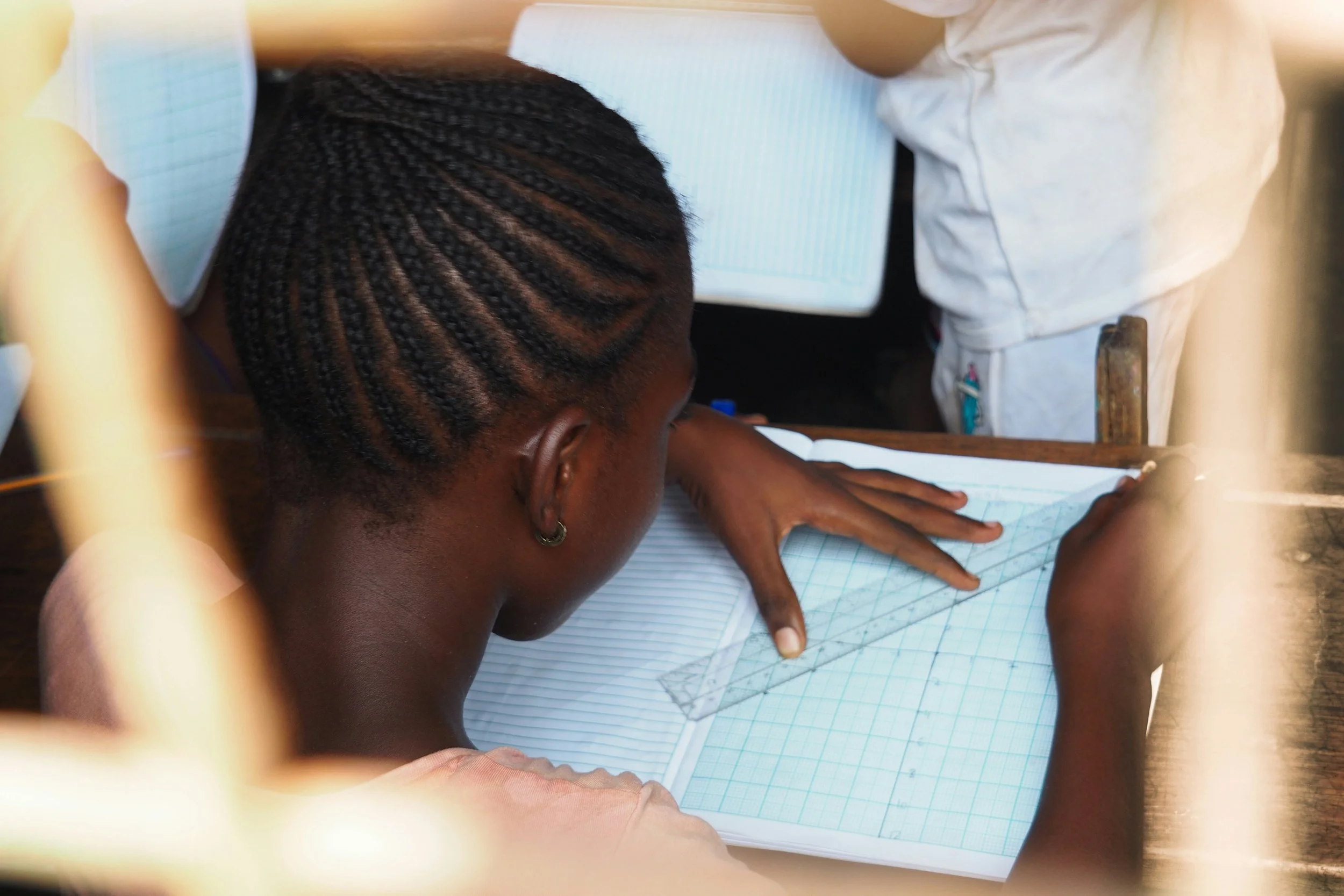
FJP exists to close that gap from both ends. On the ground in the DRC we support trusted local partners who move children out of the mining economy and into school, healthcare and protection. Thanks to the generosity of supporters, 90 children in Kolwezi who had been working in and around the mines were recently funded for a full year of teaching, supplies and proper nutrition. One of them is Asy, who used to spend long hours selling doughnuts beside the mines and now sits in a classroom with a pencil in her hand. She wants to be a doctor. Giving did that. It did more than express concern; it altered the facts of a child’s life.
We work upstream as well, with parliamentarians, policymakers and business leaders, pressing for supply chain integrity and corporate accountability that reaches beyond goodwill. Transparency has to lead to responsibility, responsibility has to lead to action, and action has to reach the child. None of this is a modest ambition. But the abolitionists did not begin with power on their side either. They began with moral clarity, patient pressure and a refusal to accept that cruelty must be tolerated simply because it happens to be profitable. We need that same imagination now, because the world has already missed its promise to end child labour by 2025, and roughly 138 million children remain in it, tens of millions of them in work that is plainly hazardous.
So we cannot look away, and we cannot accept a world in which a company writes “no steps taken” and still passes the test. The law may continue to allow it. We do not have to.
Your gift takes the next step
A gift to the Freedom and Justice Partnership helps move children out of the mining communities and into education, healthcare and protection, and it strengthens the advocacy that pushes for lasting change in law, policy and corporate conduct. For a child in Kolwezi it can mean the difference between the tunnel and the classroom, between hidden labour and an ordinary, hopeful life.
Donate today and help children move from the mines to school.